Located in southeastern Poland, Kielce is a city where natural resources, religious heritage and industrial development have shaped its identity for centuries.
Today, as the capital of the Świętokrzyskie Voivodeship, Kielce is a centre of administration, culture, education and business. However, its story began long before it became a modern regional capital.
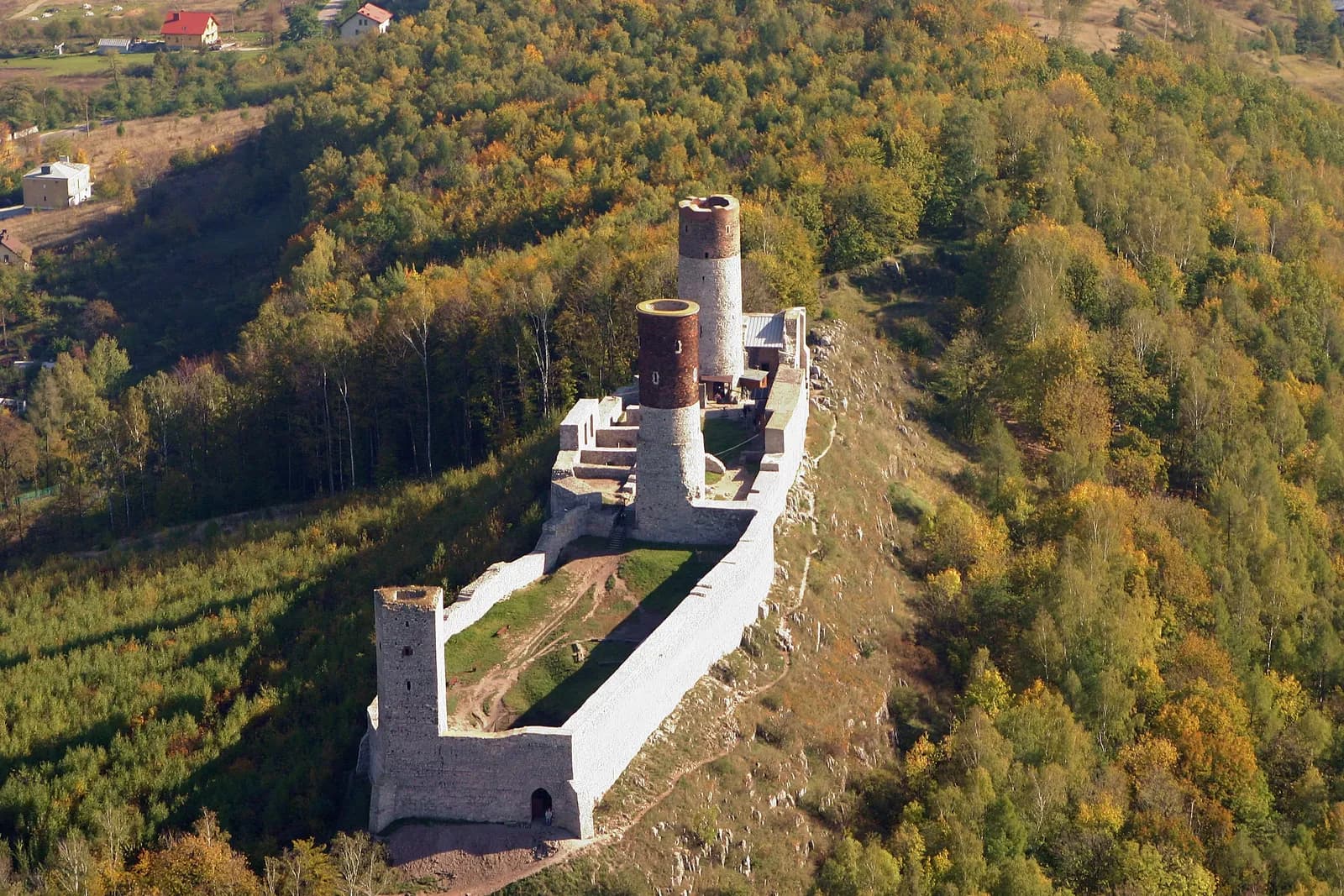
From prehistoric settlements and medieval bishop estates to mining, industry and post-war renewal, Kielce reflects the wider history of the Świętokrzyskie region.
Ancient Roots in a Land of Natural Resources
The history of Kielce goes back thousands of years.
Archaeological evidence shows that people inhabited the surrounding area as early as the Neolithic period, around 4,000 BC. Early communities were attracted by the region’s valuable natural resources, particularly flint, limestone and other minerals.
These resources would continue to influence the area’s development for centuries, creating a lasting connection between Kielce and the geological wealth of the Świętokrzyskie Mountains.
The first written reference to Kielce dates from 1084, marking the settlement’s appearance in medieval historical records.
A Medieval Town Under the Bishops of Kraków
During the early medieval period, Kielce became connected with the powerful Bishops of Kraków.
Around the turn of the 11th and 12th centuries, the settlement became part of church-owned estates and developed as an administrative centre. For several centuries, Kielce was known primarily as a bishop’s town, with its growth closely linked to religious and economic structures controlled by the bishops.
A significant turning point came in 1364, when King Casimir III the Great granted Kielce city rights based on Magdeburg Law.
This charter gave Kielce a formal urban structure, supporting trade, crafts and the development of a local market economy.
The town gradually expanded beyond its original administrative role, becoming an important centre within the wider Lesser Poland region.
Mining, Stone and Industrial Growth
Kielce’s greatest economic advantage has always been its natural environment.
From the Middle Ages onwards, mining and quarrying became increasingly important. The surrounding Świętokrzyskie region was rich in iron ore, copper, limestone, marble and other minerals.
By the 15th and 16th centuries, mining activity contributed significantly to Kielce’s economic growth. Skilled workers, craftsmen and traders supported the development of a town increasingly connected with natural resource industries.
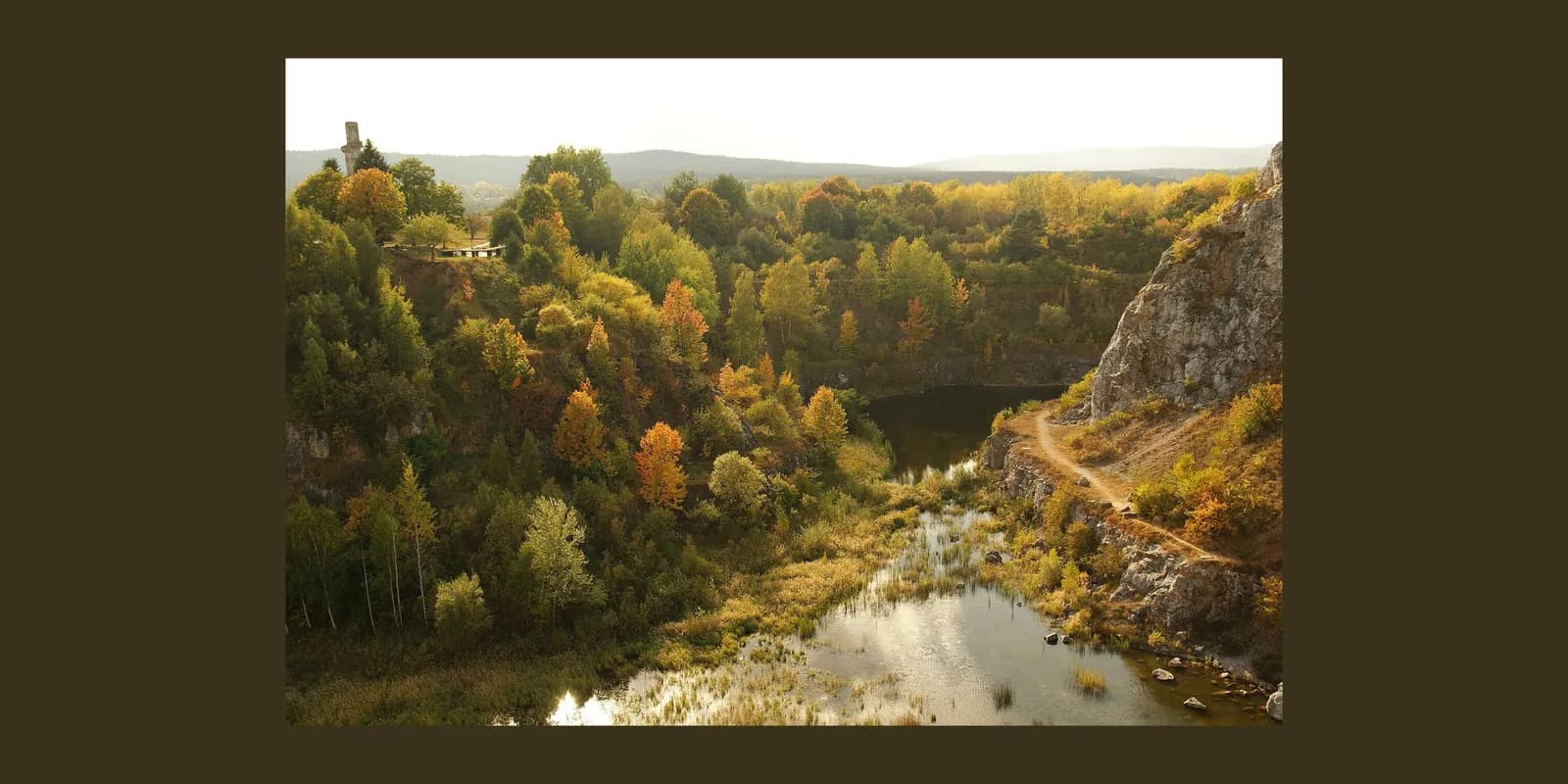
This relationship with geology continues today. Kielce remains associated with construction materials, metallurgy and related industries, while former quarries and geological sites have become important educational and tourism attractions.
Places such as Kadzielnia Nature Reserve demonstrate how industrial landscapes can be transformed into spaces for recreation, education and community life.
Political Change and the Road to Modern Kielce
Over the centuries, Kielce experienced several changes in political control.
Following the partitions of Poland in the late 18th century, the city came under Austrian and later Russian rule. These periods brought administrative changes and new economic challenges.
Kielce became part of independent Poland again in 1918, following the restoration of statehood after the First World War. Its importance grew further when it became the capital of the Świętokrzyskie Voivodeship, strengthening its role as the region’s administrative centre.
The city’s Jewish community, which began developing in the 19th century after restrictions on Jewish settlement were removed, became an important part of Kielce’s social and economic life. The community was tragically destroyed during the Holocaust, leaving an important and painful chapter in the city’s history.
War, Reconstruction and Renewal
The Second World War brought occupation, suffering and destruction to Kielce and the surrounding region.
Many residents experienced persecution under German occupation, while the wider Świętokrzyskie region became a site of wartime atrocities. After 1945, Kielce entered a period of reconstruction and transformation.
The post-war decades brought industrial expansion, population growth and the development of new public institutions.
Today, museums, memorial sites and educational projects help preserve the memory of the city’s complex history.
Kielce Today: A Regional Capital with Deep Roots
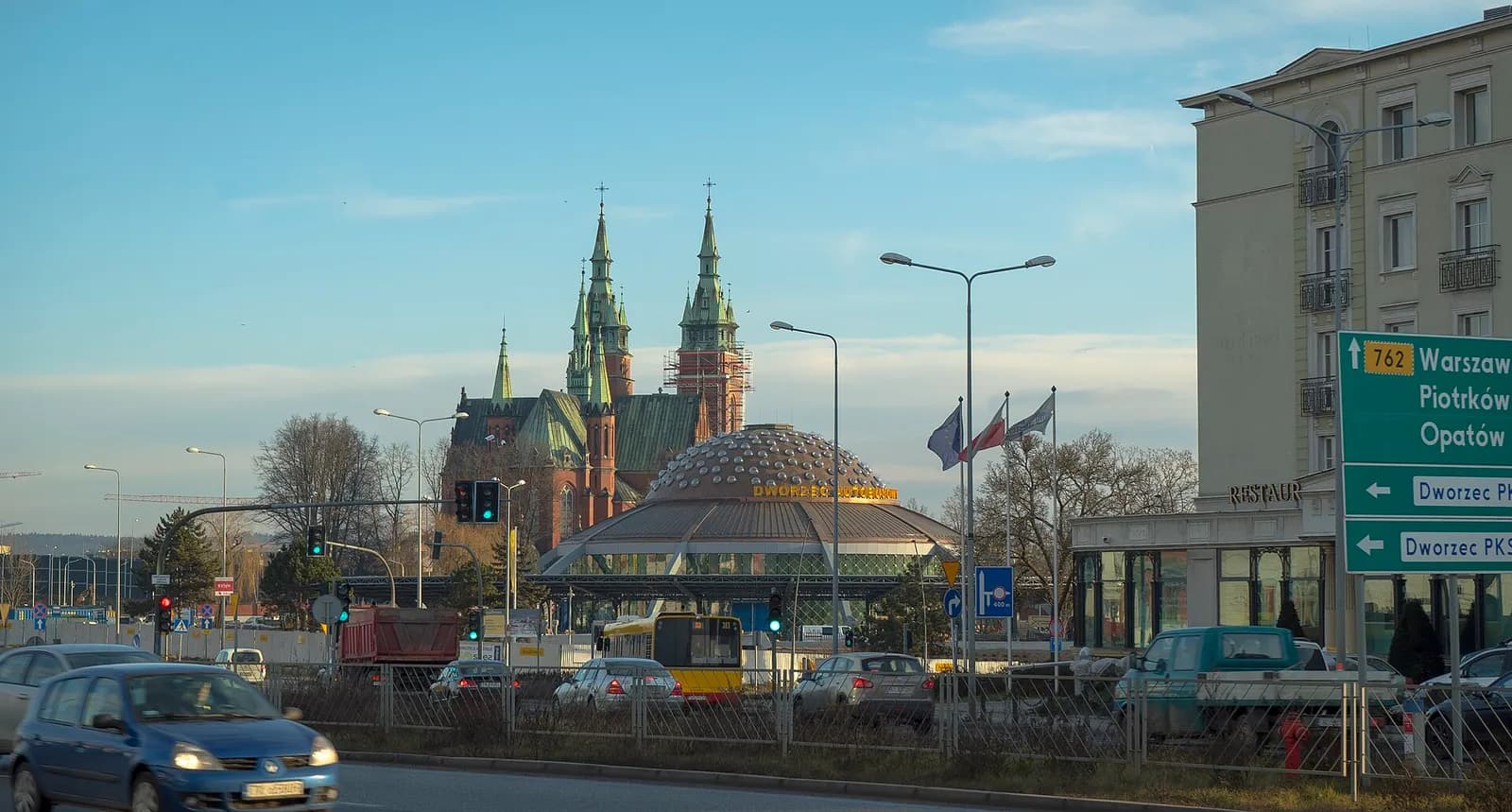
Modern Kielce combines historical heritage with contemporary urban life.
The city is home to cultural institutions, universities, businesses and public organisations that serve the wider Świętokrzyskie region.
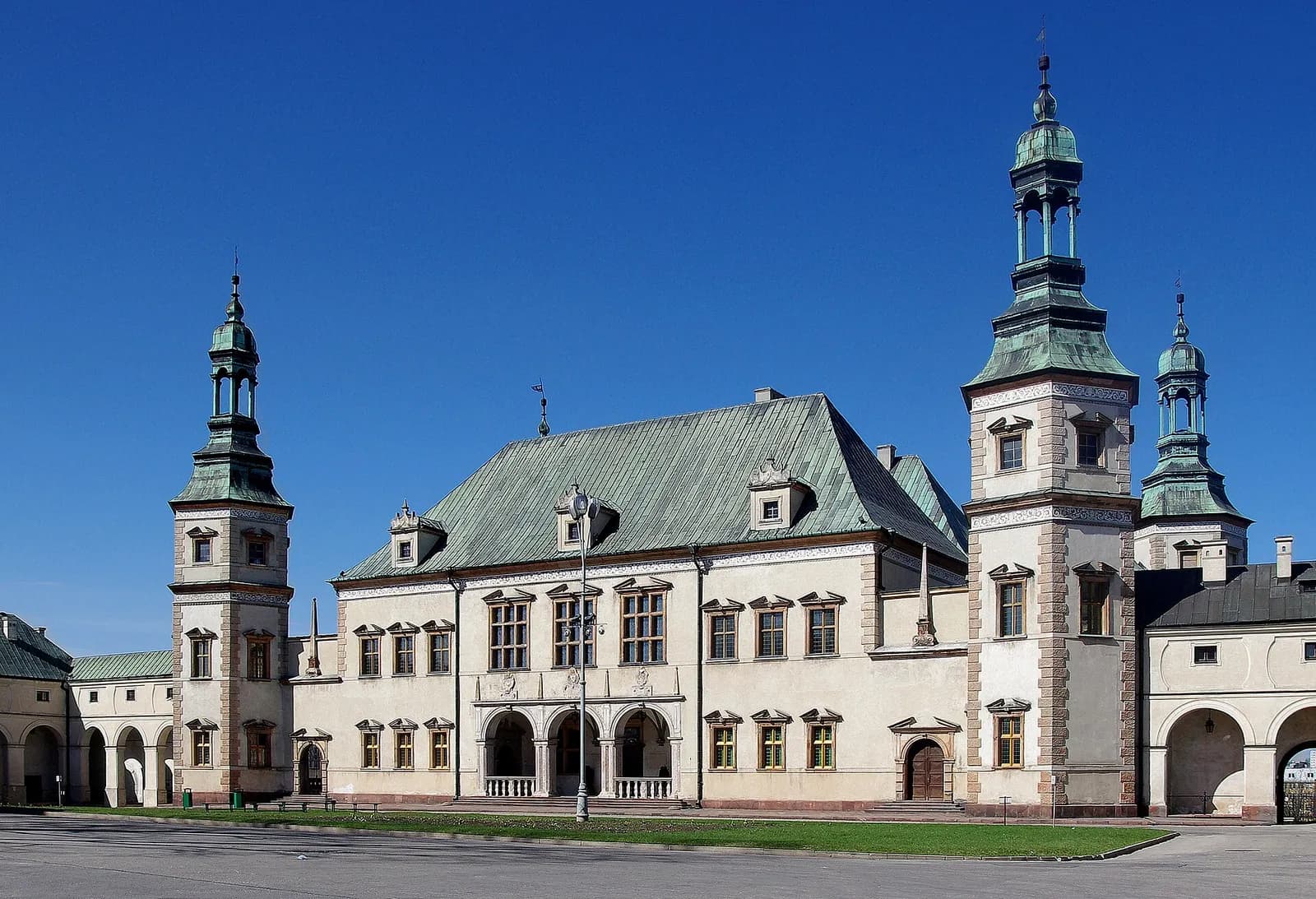
Its historic landmarks, including the Palace of the Kraków Bishops, connect residents and visitors with the city’s medieval and early modern past. Meanwhile, its geological attractions highlight the natural foundations that influenced Kielce’s development.
The city’s identity is also closely connected with the surrounding Świętokrzyskie Mountains, making it a gateway for visitors exploring one of Poland’s oldest landscapes.
A City Where Nature and History Meet
Kielce’s story is one of adaptation. Its growth was shaped by the resources beneath its feet, the institutions that governed it and the communities that built their lives here.
From prehistoric mining activity to modern industry, from bishop estates to a regional capital, Kielce continues to evolve while maintaining a strong connection to its heritage.
Kielce is more than the administrative centre of Świętokrzyskie. It is a city where geology, history and community have developed together over centuries.
Its medieval streets, industrial traditions and natural landscapes tell the story of a place shaped by resilience and reinvention.
Today, Kielce continues to honour its past while building a future as one of central Poland’s most distinctive regional cities.